
HMDD Measured Against Other Streetwear Brands: In What Way Does It Measure Up?
In 2026, the streetwear space is crowded, loud, and overrun by labels competing for the same hype momentum. HMDD — an abbreviation of Happy Memories Don’t Die — has carved out a distinct lane by embracing memory, story-led emotion, and a subtler kind of self-assurance rather than provocation-driven graphics. Its very name points to the brand’s core idea: recollections wear thin, but the emotion tied to them ought to remain. That outlook comes through in the seams, the tonal choices, and the way HMDD pieces is marketed as memory made into clothing rather than just merchandise. And that’s exactly why this breakdown explains where HMDD sits alongside rival brands, what a genuine HMDD review actually looks like, and why shoppers hunting for HMDD’s standout pieces repeatedly land on staples like sweatpants and shorts.
A handful of groups now make up the streetwear market: heritage skate labels, logo-heavy hype labels, and leaner independents centered on narrative and community rather than size. HMDD sits closer to the third camp. The brand isn’t pursuing partnerships with high-end fashion names or overwhelming drops every week. In contrast, HMDDLA — the brand’s foundation and creative identity rooted in Los Angeles — puts out collections in more limited, more considered batches. That limited supply isn’t engineered buzz; it’s the result of a brand growing at its own pace rather than churning out volume to meet demand.
Brand Philosophy: Memory vs. Spectacle
Most streetwear brands battle it out through visual noise — loud branding, collab stamps, or seasonal gimmicks designed to trend for a few weeks. HMDD leans, instead, on felt connection. The phrase “happy memories don’t die” isn’t just a tagline; it’s printed, embroidered, and referenced across the catalog as a repeated motif. This gives the brand a cohesive identity that’s easier to recognize than labels that redesign their entire aesthetic every season.
That consistency matters more than people expect. A shopper who buys HMDD sweatpants in 2025 and returns for shorts in 2026 will pick up on the same happy memories don’t die hoodie design DNA — toned-down palettes, soft graphic placement, and a leaning toward comfort-driven silhouettes. Compare that to labels that pivot from streetwear to techwear to Y2K revival within twelve months, and HMDD’s consistency stands out as a genuine edge. Novelty rarely builds loyalty in streetwear — predictability like this does.
A community dimension exists too. HMDD’s marketing leans on storytelling — photos from real customers, personal captions, and a sense that the clothing represents a moment in time rather than a show of status. Bigger brands carrying thousands of SKUs find that closeness hard to sustain. Smaller labels like HMDD can still respond directly to their audience, which shows up in how quickly feedback from an HMDD review gets reflected in future drops.
Product Comparison: Where HMDD Truly Stands Out
When shoppers wonder how HMDD clothing stacks up, they’re generally sizing up three things: the way it fits, how heavy the fabric is, and how price stacks against quality. The two most-searched categories are HMDD sweatpants and HMDD shorts, a clue that the brand’s bottoms are striking a chord with shoppers than its outerwear or accessories currently. That’s consistent with broader 2026 streetwear trends, where relaxed-fit bottoms are outselling structured jackets across the category.
Below is a high-level comparison of how HMDD positions itself against a pair of familiar streetwear archetypes: the high-volume hype brand and the small-scale indie label. This isn’t a brand-by-brand price war — it examines, structurally, how each category usually operates under current market conditions.
| The Element We’re Comparing | HMDD | The Big Hype-Driven Label | The Small Independent Name |
|---|---|---|---|
| Release Frequency | Sparingly scheduled, yet consistently considered | Rolling out almost non-stop | Landing only a handful of occasions per season |
| Who the Brand Is At Its Core | Emotion-led narrative built on nostalgia | Built around the logo, always chasing what’s hot | Shifting from name to name, seldom uniform |
| The Types of Product Central to the Line | The lineup of joggers, shorts, and print-heavy tops | Focused on hoodies, outerwear, and accessories | Determined by whichever direction the designer prioritizes |
| Audience Interaction | Up-close and genuine, attentive to reviews | Wide-reaching, distant | Personal but limited scope |
| Where Pricing Falls Overall | Middle-of-the-road street fashion | Wide range, frequently high-end | Bouncing from moderate and upscale, never steady |
Rather than crowning a single winner in streetwear, this comparison isn’t the goal here — streetwear just isn’t a one-size-fits-all category. It’s meant to show that HMDD’s playbook centered on calculated limited supply and emotionally driven branding puts it in a separate spot in the competitive landscape compared to companies that depend solely on high volume or solely on niche cachet. HMDD borrows discipline from a boutique-style framework while steering clear of the unpredictability that frequently accompanies smaller brands.
Everyday Livability, Silhouette, and Material
Fit is what makes or breaks joggers and shorts. If they’re too fitted, they land in athleisure territory; too loose and they look like sleepwear. Rather than strictly workout purposes, HMDD’s approach to both categories favors a loose-yet-tapered shape made for everyday use. It’s a small detail with real impact, since plenty of streetwear sweatpants are shaped so they’re too loose for layering or too tight for all-day comfort.
The shorts lineup stick to a matching philosophy – mid-thigh to knee-length cuts that pair easily with printed tees or roomy layering pieces. This counts in a 2026 climate where consumers are gravitating toward garments that move seamlessly from casual wear to loungewear, as opposed to maintaining separate closets for each purpose. Reviewers commonly remark that structural integrity in HMDD shorts holds up through repeated laundering, pointing to construction and material weight rather than just cut.
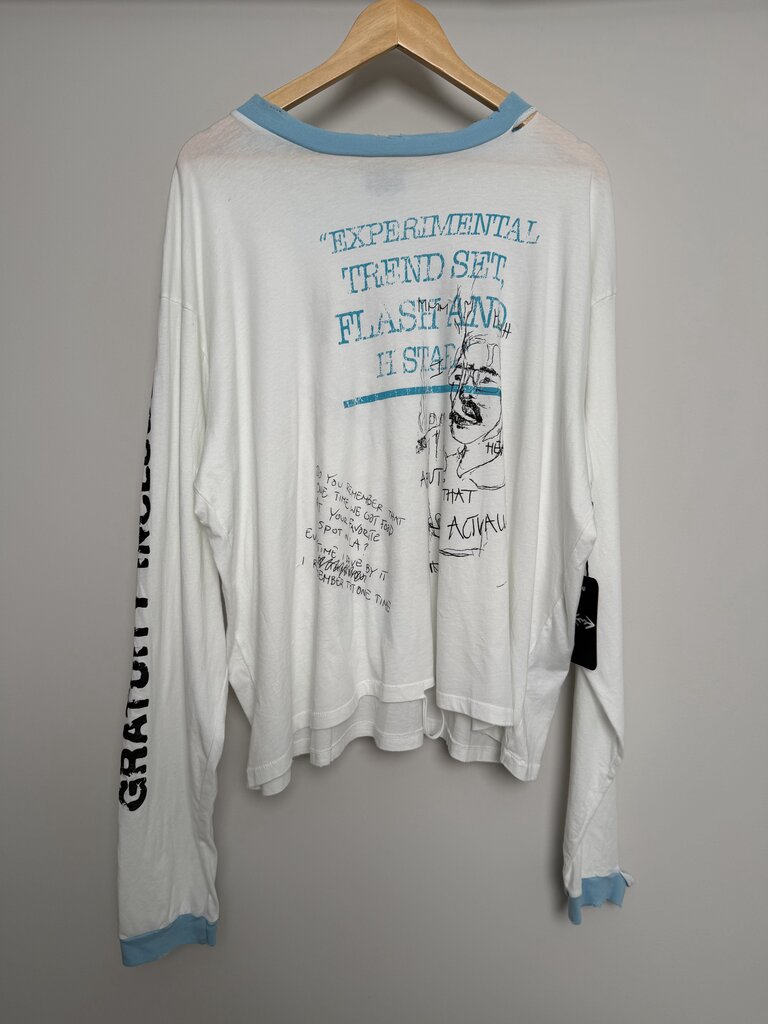
HMDD’s restraint is the very thing that sets it apart from mass-market competitors. A lot of trend-driven labels weigh down sweatpants with oversized logos, side stripes, or repeated branding. HMDD tends to keep graphics minimal — a small nod to “happy memories don’t die” instead of a loud chest print. Customers who want easily-spotted streetwear without turning into a walking advertisement are won over by that understatement.
What Customers Actually Say
Search demand surrounding “HMDD review” has climbed consistently as more shoppers come across the brand via word-of-mouth buzz rather than sponsored promotion. The repeated patterns in customer feedback are reasonably uniform: comfort scores high, sizing aligns to what a loose fit implies, and the sentimental identity either strikes a real chord or doesn’t land at all — few buyers sit in between. This split reaction is in fact a positive signal in street fashion, where bland, safe design choices almost never fosters a devoted fanbase.
Frequent criticisms to watch for include scarce replenishment and narrower size ranges compared to larger competitors. Since HMDD doesn’t manufacture at the scale of more dominant streetwear brands, high-demand size options in sweatpants and shorts can move out of stock quicker, which shoppers should factor in before expecting instant stock. This is a tradeoff, not necessarily a flaw — restricted availability is part of what allows the HMDDLA identity reading as considered rather than mass-market.
Weighing it all together, the sentiment around HMDD clothing tilts positive, particularly among shoppers who place more weight on meaning and comfort over loud logo-driven design. That’s a narrower audience than a brand pursuing broad popularity, but it’s a more loyal one — the kind of following that returns for the next drop instead of switching over to whatever’s buzzing next month.
How HMDD Slots In in a 2026 Wardrobe
Fashion-forward shoppers putting together a 2026 rotation are more and more combining labels rather than going all-in on a single brand. HMDD slots in effortlessly into that mix as the “meaning-plus-comfort” piece — the sweatpants you reach for on a slow Sunday, or the shorts that pair with a heavier statement jacket from another label entirely. It’s not positioned to be an everything-brand, and that’s arguably what makes it work.
For buyers weighing bottoms, HMDD sweatpants and HMDD shorts remain the easiest way in into the brand. They highlight the approach to fit, the understated logo work, and the material quality that customers cite most frequently. Buyers exploring the best HMDD clothing as a starting point should treat these two categories as the starting foundation before branching into tops or special drops.
In the end, comparing HMDD to competing labels isn’t about crowning one clear victor. It’s about acknowledging that HMDD holds a distinct space — sentimental, understated, and community-focused — that bigger, more attention-seeking labels weren’t designed to imitate. For customers who want streetwear that comes across as personal instead of mass-produced, that niche is exactly the point.
